
Prophets, Priests, and Rings: Finding God in the Lord of the Rings
How does God speak to you?
For many people the easy answer is through scripture and worship services. Scripture is considered the Word of God and worship services are designed to help us stand in the presence of God, so of course God speaks through them. Some other ways people commonly recognize the voice of God is through things like conversations with friends, impactful experiences, through art, or generally through the grandeur of nature. Some even hear God through their dreams! We have learned to listen and discern God’s voice in many different ways because God speaks to us in many different ways—in fact, I believe God often speaks to us in the way we are most likely to hear and listen to God.
What about through media?
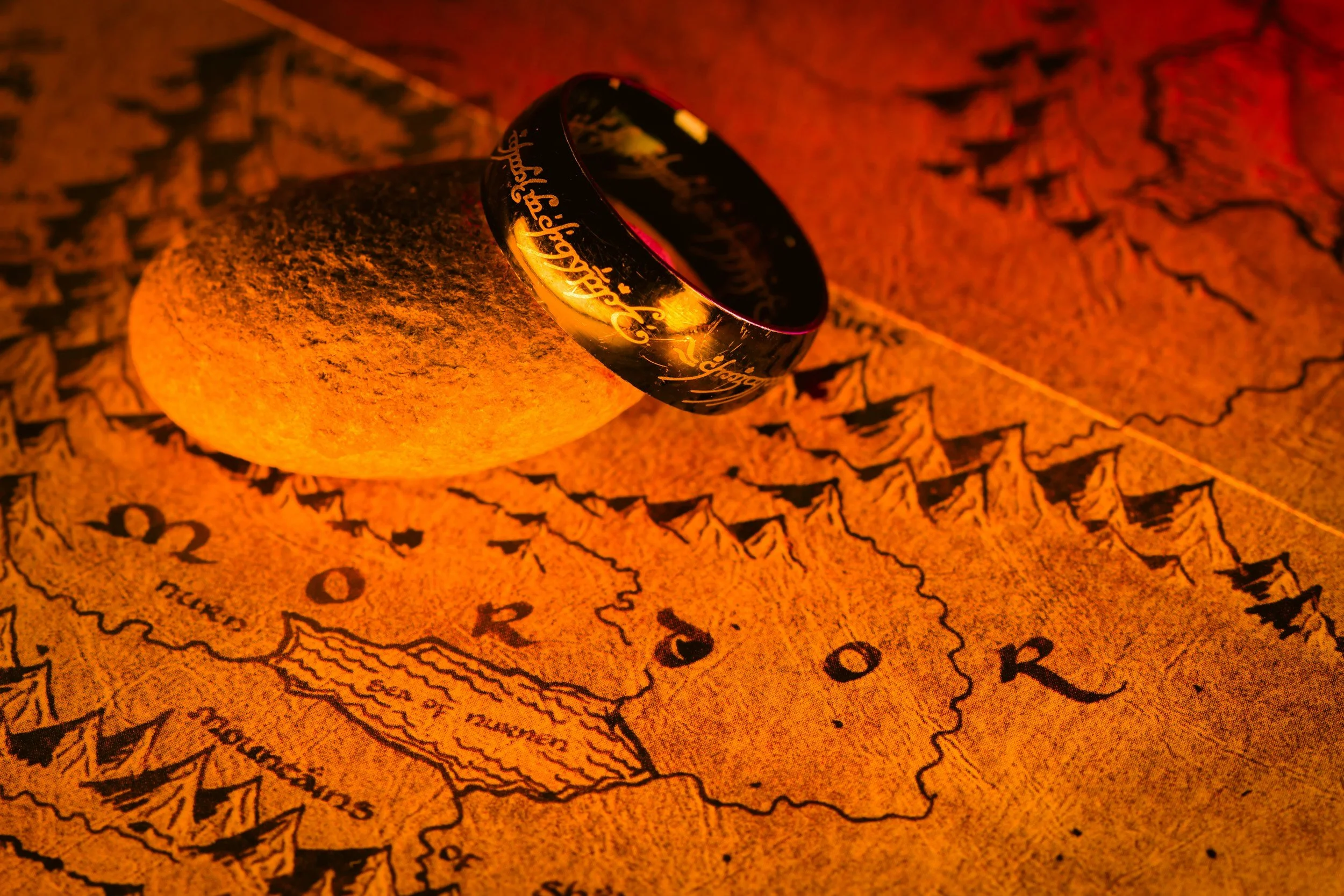
Think books and movies and TV shows—things that aren’t necessarily created with any sort of Christian purpose in mind—does God speak through those? Growing up I loved to read, and I loved a variety of movies and TV shows. I loved the stories that were told through these mediums, and the ability to “transport’ to those places. I believe God met me in those places simply because those were the places I often preferred to be. I believe God can and does speak through general media, and over the course of this year here at Parable Media we are going to dive into some specific books, movies, and TV shows that God has used to speak to us.
One series that I keep coming back to is The Lord of the Rings trilogy by J. R. R. Tolkien. I even utilized this series along with other aspects of Tolkien’s writings as a part of my Doctor of Ministry dissertation. Tolkien himself was a devout Catholic, and a good friend to C. S. Lewis. While Lewis preferred to write either specifically about Christian theology or rely heavily on direct symbolism (like The Chronicles of Narnia), Tolkien preferred to take a more subtle approach. Tolkien believed simply by being given the ability to create a world through his writings he was participating with God in the act of creation—more specifically that he was participating in sub-creation. For him simply the act of creating through writing reflected the image of God, our true Creator.
We can also find theological and biblical truth—places through which God often speaks—within the pages of The Lord of the Rings. Taking another theme from my DMin work, the theological structure of the Prophet, Priest, and King is evident throughout the overarching story. Gandalf becomes a priestly figure, speaking truth to those around him and prophesying about things to come. Frodo and Sam can be seen as priestly figures, ones tasked with preparing the world for good by cleansing it of evil—i.e. destroying the one ring and the primary source of evil in middle earth. Aragorn then represents the king, a savior figure destined to be the true king of man, representing the qualities of wisdom, justice, and authority.
Additionally, The Lord of the Rings does a great job of illustrating how God often works through the meek instead of the powerful. The hobbits—generally considered the least powerful of all of the races—were the ones entrusted with the one ring. The most important task was given to them. In fact, that task could only be accomplished by them as the ring had a nasty habit of corrupting those with any normal semblance of power. Jesus came for the least of these, for the needy, the vulnerable, and the marginalized.
Here at Parable Media our greatest hope is that God speaks through the content we create. That while we can recognize the voice of God through things like books and movies and TV shows, so too can God speak through the videos, websites, and photos we create to tell the stories of the many great organizations we work with on a regular basis.
How does God speak to you? Are you able to recognize God’s voice through some of your favorite books or movies or TV shows? Are you able to hear God’s voice through any of the videos we have created?